Understanding the line between DIY and pro help
In Michigan, many homeowners wonder when a problem is safe to tackle themselves. The reality is that certain tasks are better left to a licensed plumber who works across the state. Our approach at Michigan Frozen Pipe Repair emphasizes safety, reliability, and a clear plan that fits Michigan homes and climates.
Simple fixes inside reach, like replacing a worn faucet washer or clearing a clogged aerator, can be DIY projects for a weekend. But even these tasks can misfire if you don’t shut off the correct supply or misjudge the risk of water damage. When in doubt, call a pro. A quick professional check can prevent a minor repair from becoming a bigger, costlier job.
When a DIY project is reasonable
If you’re comfortable with basic household maintenance, you can handle tasks that don’t involve the main supply lines or hidden pipes. For example, replacing a faulty handle or replacing a small shutoff valve that you can access easily and safely is often manageable. Always consult instructions and verify you have the tools you need before you start.
Document the steps you take. This helps a Michigan plumber understand what you’ve done and where to focus their attention when they arrive. Being transparent about what has been attempted can shorten the visit and reduce cost for you and your neighbors across Michigan.
When to call a pro
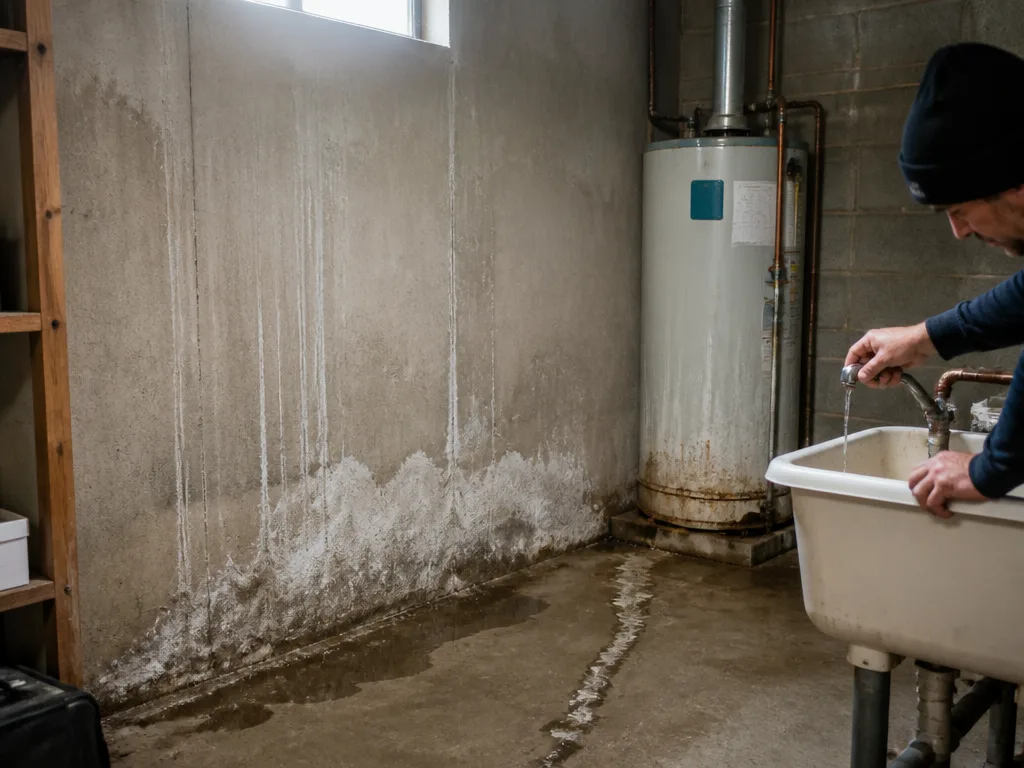
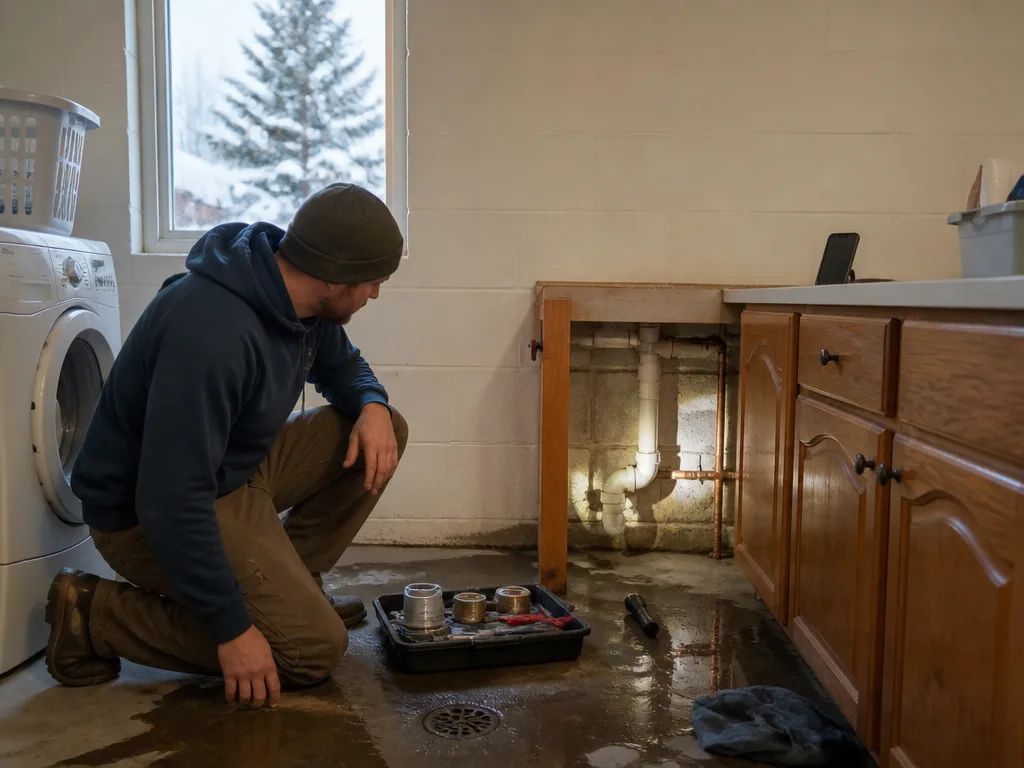
Call a pro if you notice any of these: signs of a leak behind walls, a dropping water pressure, or a fixture that won’t shut off completely. If you see wet spots on ceilings, floors, or walls, or hear unusual noises from the pipes, it’s time for a professional assessment. A statewide service team like Michigan Frozen Pipe Repair can respond with a thorough inspection and a clear plan that respects your budget and schedule.
What to expect from a trustworthy inspection
A plumber will confirm the source of the issue, explain the options, and provide a plain-language estimate. We avoid jargon and work with you to choose a path that fits your home and your Michigan priorities. We’ll also discuss any potential disruptions and how we minimize them.